Seminario - Biotecnologie e Bioscienze - Giovedì 1 ottobre 2026, 16.30, edificio U1, aula 10
Antti Karkman, Department of Microbiology, University of Helsinki, Finland
Abstract
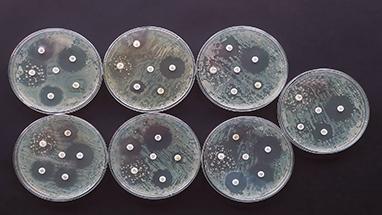
Antimicrobial resistance (AMR) has been described as the silent pandemic and presents a profound global threat to both animal and human health. Although the consequences are mostly seen in clinics, the environment plays a crucial role in the emergence and dissemination of both novel and known AMR determinants. Not only are resistant bacteria transmitted via the environment, but the enormous genetic variation found there forms an immense source for novel, or latent, resistance genes to arise.
While antimicrobials and antimicrobial resistance are ancient phenomena, anthropogenic mass production and use have driven the current resistance crisis.
To better understand the role of the environment in the emergence and dissemination of AMR, the carriers of AMR genes beyond the clinically most relevant species need to be identified. In addition to identifying AMR hosts, assessing mobility potential through analysis of genetic context is crucial for evaluating the risk of transmission and the subsequent emergence and spread of clinically significant resistance traits. Sewage treatment plants have been proposed as hotspots for both the dissemination and emergence of novel AMR genes. While the risks of AMR emergence from environmental sources have been recognized, methodological limitations of shotgun metagenomic sequencing and bioinformatics still limit our ability to fully resolve this issue.
In this work, we aim to determine the mobility potential based on the genetic context of both novel and known AMR genes and to predict their bacterial hosts using long-read metagenomics and a novel methylation-based approach.
Using this approach, we characterised the genetic context of a novel sulphonamide resistance gene, sul4, and identified novel environmental bacteria carrying it in sewage treatment plants. Our analysis also uncovered several other previously unrecognized hosts of AMR genes, each presenting different levels of potential risk. For example, we identified a dominant wastewater taxon, Arcobacter, that carries a latent beta-lactamase gene with signs of mobility, and detected other emerging beta-lactamases in both wastewater-associated microbes and opportunistic pathogens. Finally, methylation analysis showed that the high abundance of erm(F) in sewage sludge was mainly due to the gene being spread across multiple environmental Bacteroidales species, rather than the expansion of a single host.
Together, our findings demonstrate that long-read sequencing and methylation analysis can uncover previously overlooked reservoirs of resistance, underscoring the importance of monitoring environmental and non-pathogenic bacteria. Understanding resistance emergence requires looking beyond known pathogens, and broadening surveillance accordingly can help detect resistance threats before they reach clinical settings.
Ospite: Antonia Bruno
Il seminario è APERTO a tutti.
La REGISTRAZIONE ONLINE al seminario è un requisito indispensabile per chi desidera richiedere l’ATTESTATO DI PARTECIPAZIONE, che, insieme alla firma sul FOGLIO PRESENZE, confermerà l’effettiva partecipazione.
La registrazione online al seminario sarà disponibile qualche giorno prima dell'evento.